About Me

Coaching Built on Experience

My approach is grounded in real-world training, ongoing education, and proven methods.
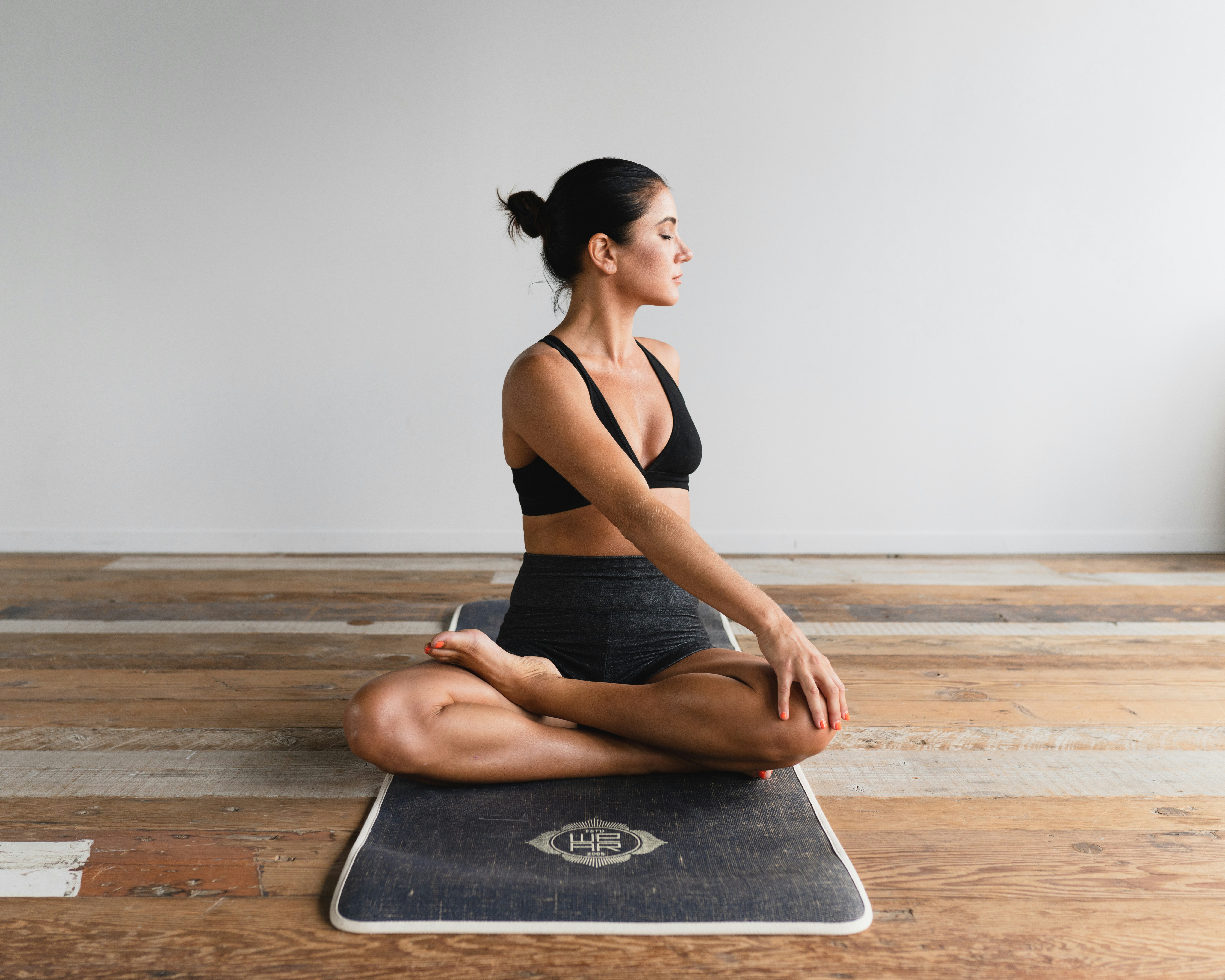
woman performing yoga
woman holding black rope
woman in black leggings and white sports bra
woman in black tank top and blue denim jeans sitting on brown wooden bench during daytime
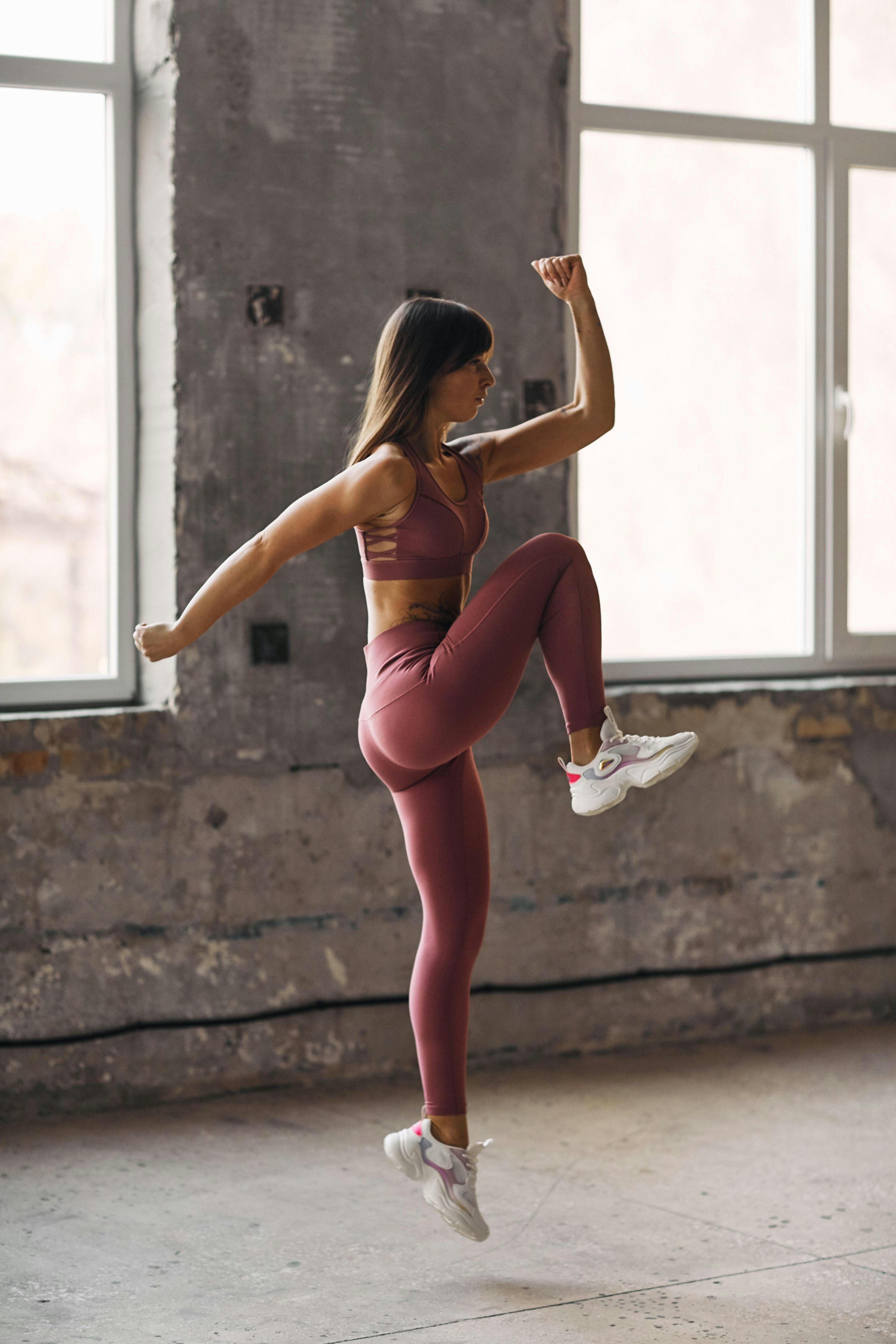
woman in red leggings and white sports bra bending her body
IstartedcoachingbecauseIknowwhatitfeelsliketowantchangebutnotknowwheretobegin.Overtheyears,I’veturnedmypassionintoasystemthathelpspeoplebuildstrength,confidence,andsustainablehabitsnomattertheirstartingpoint.

Personal trainer

IstartedcoachingbecauseIknowwhatitfeelsliketowantchangebutnotknowwheretobegin.Overtheyears,I’veturnedmypassionintoasystemthathelpspeoplebuildstrength,confidence,andsustainablehabitsnomattertheirstartingpoint.

Personal trainer

IstartedcoachingbecauseIknowwhatitfeelsliketowantchangebutnotknowwheretobegin.Overtheyears,I’veturnedmypassionintoasystemthathelpspeoplebuildstrength,confidence,andsustainablehabitsnomattertheirstartingpoint.

Personal trainer

Experience & Achievements

Experience You Can Trust

A coaching background grounded in education, practical skills, and proven client transformations.

Featured Fitness Workshop Speaker

Guest Speaker at Local Fitness Expo

Category:

Award

Year:

2023

Invited to speak at a regional fitness workshop, sharing insights on sustainable training, confidence building, and the importance of simple, effective movement patterns.

300+ Custom Programs Designed

Personalized training and habit plans

Category:

Milestone

Year:

Ongoing

Created hundreds of tailored training plans for clients with unique goals, limitations, and schedules — each designed for clarity, structure, and sustainable progress.

8+ Years of Coaching Experience

Coaching beginners to advanced lifters

Category:

Coaching

Year:

2016 – Present

Years of hands-on coaching with clients of all backgrounds, helping individuals build strength, improve movement, and develop long-lasting consistency.

Strength & Movement Specialist Course

Advanced movement mechanics

Category:

Certification

Year:

Completed 2022

Completed advanced training in movement analysis, mobility, and strength development, improving the ability to assess technique and optimize client performance safely.

Precision Nutrition Level 1 Coach

PN1 Nutrition Coaching

Category:

Certification

Year:

2021

Earned precision-based nutrition coaching credentials with an emphasis on sustainable habits, behavior change, and personalized nutrition strategies for long-term success.
Icon: Nutrition leaf icon

Certified Personal Trainer (NASM)

National Academy of Sports Medicine

Category:

Certification

Year:

2020

Completed a comprehensive certification focused on exercise science, biomechanics, and safe program design. Provides a strong foundation for training clients of all experience levels with effective, evidence-based methods.

IstartedcoachingbecauseIknowwhatitfeelsliketowantchangebutnotknowwheretobegin.Overtheyears,I’veturnedmypassionintoasystemthathelpspeoplebuildstrength,confidence,andsustainablehabitsnomattertheirstartingpoint.

Personal trainer

IstartedcoachingbecauseIknowwhatitfeelsliketowantchangebutnotknowwheretobegin.Overtheyears,I’veturnedmypassionintoasystemthathelpspeoplebuildstrength,confidence,andsustainablehabitsnomattertheirstartingpoint.

Personal trainer

IstartedcoachingbecauseIknowwhatitfeelsliketowantchangebutnotknowwheretobegin.Overtheyears,I’veturnedmypassionintoasystemthathelpspeoplebuildstrength,confidence,andsustainablehabitsnomattertheirstartingpoint.

Personal trainer

woman wearing black top top holding black dumbbells standing in front of mirror

Ready to Start Your Transformation?

Take the next step toward a stronger, healthier, and more confident version of yourself.

woman wearing black top top holding black dumbbells standing in front of mirror

Ready to Start Your Transformation?

Take the next step toward a stronger, healthier, and more confident version of yourself.

woman wearing black top top holding black dumbbells standing in front of mirror

Ready to Start Your Transformation?

Take the next step toward a stronger, healthier, and more confident version of yourself.

My Philosophy

two smiling women doing yoga pose

1. Sustainable Progress

Lasting transformation is built through a series of small, intentional behaviors that compound over time. By focusing on achievable, repeatable actions, we create momentum that naturally evolves into long-term progress.

My role is to help you develop habits that integrate seamlessly into your daily life, aligning with your routines and responsibilities rather than forcing your lifestyle to bend around a rigid plan.

a woman doing a yoga pose on a yoga mat

2. Personalized Training

Everything in your program is shaped by who you are and how you operate — from your goals and experience to the time and energy you realistically have available.

By designing your training around these factors, you move through a guided, step-by-step process where every next action feels intentional, purposeful, and clearly defined.

a woman doing a yoga pose on a beach

3. Strength & Confidence First

Building strength creates a ripple effect that touches almost every part of your life: more sustained energy, healthier posture, improved movement mechanics, and a resilient mindset.

When you feel physically strong and capable, that sense of strength naturally evolves into confidence that shows up in how you move, think, and show up in the world.

woman in white sports bra and black leggings doing yoga

4. Education That Empowers

My goal is to teach you the underlying principles behind every exercise and habit, giving you the knowledge to train with purpose and autonomy.

When you understand the rationale behind your program, you gain the confidence and independence to continue progressing far beyond our time together.

Testimonials

Real People. Real Results.

See how clients transformed their bodies, confidence, and lifestyle through personalized coaching.

  • “I finally feel confident in the gym again. The structure, guidance, and support kept me consistent even on my busiest weeks.”

    woman in white crew neck shirt smiling

    Emily R.

    Marketing Manager

  • “I’ve worked with trainers before, but this is the first program that actually fit my lifestyle. I lost fat, gained strength, and never felt overwhelmed.”

    man standing near white wall

    Jason M.

    Software Developer

  • “The weekly feedback made all the difference. I always knew what to improve and felt supported every step of the way.”

    woman in white and red shirt

    Sarah T.

    Nurse

  • “The personalized plan was a game changer. I’m stronger, more focused, and finally see progress I couldn’t achieve on my own.”

    man in black crew neck shirt

    Daniel K.

    Photographer

  • “I used to dread workouts. Now they’re the best part of my day. This coaching helped me build habits I can actually stick to.”

    woman in black tank top smiling

    Mia L.

    College Student

  • “Clear programs, sustainable nutrition, and real accountability — everything I needed to transform without burning out.”

    man wearing eyeglasses

    Alex P.

    Financial Analyst

  • “I finally broke through plateaus I’d been stuck at for years. The plan was simple, effective, and adapted perfectly to my schedule.”

    man wearing green crew-neck top and eyeglasses with black frames looking at side

    Ryan S.

    Sales Consultant

  • “I never realized how much proper guidance mattered. The personalized workouts and nutrition tips helped me feel stronger and more confident.”

    woman wearing black Back to the Future sweater

    Olivia H.

    Graphic Designer

Blog

Fitness Tips, Guides & Resources

Step-by-step guides and insights to help you move better, feel stronger, and build momentum.

silhouette photography of woman doing yoga

Master Basic Movements

Nov 17, 2025

Consistency is the foundation of any successful fitness journey. But staying consistent doesn’t come from motivation alone — it comes from building small, repeatable habits that fit naturally into your daily life.
If you’ve ever struggled to stick to a routine, these five habits will help you remove friction, reduce overwhelm, and make progress feel easier and more automatic.

1. Plan Your Workouts Ahead of Time

Consistency becomes much easier when you eliminate last-minute decision-making.
When you don’t know what you’re doing, where, or when, it’s easy to skip sessions.

Why this habit works:

  • Removes mental fatigue

  • Helps you treat training like a non-negotiable appointment

  • Reduces the risk of “I’ll do it later”

How to do it:

  • Choose your training days at the start of the week

  • Put them in your calendar like real meetings

  • Prepare your workout plan ahead of time (no guessing once you start)

  • If needed, choose shorter sessions rather than skipping entirely

A simple plan = less resistance = more consistency.

2. Keep Your Workouts Short and Achievable

People often aim for perfection — long workouts, intense routines, daily training.
But consistency doesn't come from pushing your limits every day. It comes from doing what’s realistic.

Why this habit works:

  • Lower barriers = easier follow-through

  • Builds momentum instead of burnout

  • Creates a routine you can repeat even on busy days

How to do it:

  • Aim for 30–45 minutes per session

  • Choose full-body or simple strength-based routines

  • Start with what you know you can handle, not what you hope you can

Shorter workouts done consistently beat long workouts done inconsistently — every time.

3. Prepare Your Environment for Success

Your environment shapes your behavior more than motivation ever will.
If your gym bag is buried in a closet or your water bottle is missing, small inconveniences can derail your routine.

Why this habit works:

  • Reduces friction

  • Makes training feel “already started”

  • Removes excuses before they appear

How to do it:

  • Pack your gym bag the night before

  • Put your workout shoes near the door

  • Set out your clothes ahead of time

  • Keep your home workout equipment visible

When your environment is set up for success, your actions follow.

4. Track Your Progress in Simple Ways

You don’t need a complex tracking system — but you do need to see progress.
Tracking builds awareness, reinforces the habit, and helps you understand what’s working.

Why this habit works:

  • Creates a sense of accomplishment

  • Highlights your progress even on slow weeks

  • Helps you stay motivated long-term

How to do it:

  • Check off each workout in an app or journal

  • Track weights, reps, time, or how you felt

  • Take quick progress photos every 2–4 weeks

  • Celebrate small wins (more reps, better form, more energy)

Seeing your progress in writing makes you far more likely to stay consistent.

5. Focus on Identity, Not Perfection

The most consistent people don’t rely on perfect routines — they build a fitness identity. They see themselves as someone who trains, even when life gets messy.

Why this habit works:

  • Shifts your mindset from “should” to “this is who I am”

  • Reduces guilt from missed days

  • Helps you return quickly after disruptions

How to do it:

  • Be okay with imperfect workouts

  • Never miss two times in a row (simple rule that works)

  • Focus on building the habit, not maximizing intensity

  • Remind yourself: “I’m someone who takes care of my health”

When your identity aligns with your actions, consistency becomes natural — not forced.

Final Thoughts

Consistency isn’t about willpower — it’s about creating a system that supports your goals.
By planning ahead, simplifying your workouts, structuring your environment, tracking your progress, and adopting the right mindset, staying consistent becomes effortless, sustainable, and enjoyable.

The journey doesn’t require perfection — just small steps repeated with intention.

Read More…

silhouette photography of woman doing yoga

Master Basic Movements

Nov 17, 2025

Consistency is the foundation of any successful fitness journey. But staying consistent doesn’t come from motivation alone — it comes from building small, repeatable habits that fit naturally into your daily life.
If you’ve ever struggled to stick to a routine, these five habits will help you remove friction, reduce overwhelm, and make progress feel easier and more automatic.

1. Plan Your Workouts Ahead of Time

Consistency becomes much easier when you eliminate last-minute decision-making.
When you don’t know what you’re doing, where, or when, it’s easy to skip sessions.

Why this habit works:

  • Removes mental fatigue

  • Helps you treat training like a non-negotiable appointment

  • Reduces the risk of “I’ll do it later”

How to do it:

  • Choose your training days at the start of the week

  • Put them in your calendar like real meetings

  • Prepare your workout plan ahead of time (no guessing once you start)

  • If needed, choose shorter sessions rather than skipping entirely

A simple plan = less resistance = more consistency.

2. Keep Your Workouts Short and Achievable

People often aim for perfection — long workouts, intense routines, daily training.
But consistency doesn't come from pushing your limits every day. It comes from doing what’s realistic.

Why this habit works:

  • Lower barriers = easier follow-through

  • Builds momentum instead of burnout

  • Creates a routine you can repeat even on busy days

How to do it:

  • Aim for 30–45 minutes per session

  • Choose full-body or simple strength-based routines

  • Start with what you know you can handle, not what you hope you can

Shorter workouts done consistently beat long workouts done inconsistently — every time.

3. Prepare Your Environment for Success

Your environment shapes your behavior more than motivation ever will.
If your gym bag is buried in a closet or your water bottle is missing, small inconveniences can derail your routine.

Why this habit works:

  • Reduces friction

  • Makes training feel “already started”

  • Removes excuses before they appear

How to do it:

  • Pack your gym bag the night before

  • Put your workout shoes near the door

  • Set out your clothes ahead of time

  • Keep your home workout equipment visible

When your environment is set up for success, your actions follow.

4. Track Your Progress in Simple Ways

You don’t need a complex tracking system — but you do need to see progress.
Tracking builds awareness, reinforces the habit, and helps you understand what’s working.

Why this habit works:

  • Creates a sense of accomplishment

  • Highlights your progress even on slow weeks

  • Helps you stay motivated long-term

How to do it:

  • Check off each workout in an app or journal

  • Track weights, reps, time, or how you felt

  • Take quick progress photos every 2–4 weeks

  • Celebrate small wins (more reps, better form, more energy)

Seeing your progress in writing makes you far more likely to stay consistent.

5. Focus on Identity, Not Perfection

The most consistent people don’t rely on perfect routines — they build a fitness identity. They see themselves as someone who trains, even when life gets messy.

Why this habit works:

  • Shifts your mindset from “should” to “this is who I am”

  • Reduces guilt from missed days

  • Helps you return quickly after disruptions

How to do it:

  • Be okay with imperfect workouts

  • Never miss two times in a row (simple rule that works)

  • Focus on building the habit, not maximizing intensity

  • Remind yourself: “I’m someone who takes care of my health”

When your identity aligns with your actions, consistency becomes natural — not forced.

Final Thoughts

Consistency isn’t about willpower — it’s about creating a system that supports your goals.
By planning ahead, simplifying your workouts, structuring your environment, tracking your progress, and adopting the right mindset, staying consistent becomes effortless, sustainable, and enjoyable.

The journey doesn’t require perfection — just small steps repeated with intention.

Read More…

person about to lift the barbel

Simplicity Makes Consistency Easier

Nov 17, 2025

Strength training is one of the most effective ways to improve your health, confidence, and overall fitness — but if you’re new to lifting, it can feel intimidating. The good news? Building strength safely doesn’t require extreme workouts or complicated equipment.
With the right approach, anyone can get stronger, move better, and feel more capable in everyday life.

This guide breaks down the essential steps every beginner should follow to build strength the right way — and without risking injury.

1. Start With the Basics: Learn Proper Form

Before increasing weights or pushing intensity, focus on mastering basic movement patterns. Good technique builds a foundation that keeps you safe and helps you progress faster.

Core movements every beginner should learn:

  • Squats

  • Hip hinges (like deadlifts)

  • Pushes (push-ups, chest press)

  • Pulls (rows, pull-downs)

  • Lunges

  • Core stability (planks, dead bugs)

Why this matters:

  • Reduces injury risk

  • Improves coordination and control

  • Helps you activate the right muscles

  • Builds confidence before adding weight

How to learn them:

  • Start with bodyweight

  • Watch slow, clear demonstrations

  • Practice in front of a mirror

  • Film your form for feedback

  • Move slowly and deliberately

When your form is solid, progressing safely becomes much easier.

2. Begin With Light Weights and Controlled Movements

When starting out, it’s tempting to lift heavier than you should. But strength comes from controlled, consistent repetition, not from maxing out too early.

Why starting light is the safest strategy:

  • Protects your joints

  • Teaches proper muscle engagement

  • Helps you perfect technique

  • Allows you to build strength gradually

  • Prevents soreness that derails consistency

A good rule of thumb:

Choose a weight that feels challenging for the last 2–3 reps but still allows you to maintain clean form.

3. Follow a Structured, Full-Body Routine

Beginners don’t need complicated splits. Full-body training 2–3 times per week is the safest and most effective way to build strength early on.

A balanced beginner full-body routine might include:

  • Squat variation

  • Hinge variation

  • Push exercise

  • Pull exercise

  • Core stability

  • Optional accessory work (glutes, arms, calves)

Why full-body training works best:

  • Trains all major muscle groups evenly

  • Builds a strong foundation faster

  • Helps prevent imbalances

  • Gives you more practice with essential movements

  • Great for busy schedules

You don’t need long workouts — just focused, repeatable sessions.

4. Increase Weight Gradually and Track Your Progress

Safe strength building comes from progressive overload — adding small increases in difficulty over time.

Ways to safely progress:

  • Add 1–5 lbs to your lifts

  • Add 1–2 extra reps

  • Slow down your tempo

  • Improve your range of motion

  • Add an extra set

Why tracking helps:

  • Shows you what to increase next

  • Helps you stay consistent

  • Keeps you motivated as your strength improves

  • Prevents accidental overtraining

A simple training log or app is all you need.

5. Prioritize Recovery Just as Much as Training

Strength doesn’t happen in the gym — it happens when you recover properly.
Beginners often overlook this and end up fatigued, sore, or injured.

Key recovery habits to adopt:

  • Get 7–9 hours of sleep

  • Stay hydrated

  • Eat enough protein

  • Take 48 hours between working the same muscle group

  • Include light stretching or mobility work

Why recovery matters:

  • Muscles repair and grow when you rest

  • Prevents injury and burnout

  • Helps you train with more energy and focus

  • Improves long-term results

The safest way to train is to respect your body’s need for rest.

6. Listen to Your Body and Avoid Pushing Through Pain

There’s a big difference between discomfort and pain.

Safe training sensations:

  • Muscle fatigue

  • Mild burning

  • Elevated heart rate

  • Light soreness the next day

Warning signs:

  • Sharp pain

  • Joint pain

  • Pinching or numbness

  • Sudden loss of strength

  • Pain that worsens during a lift

Ignoring these can lead to injury — which slows your progress more than taking a rest day ever will.

When something feels wrong, stop, reset your form, lower the weight, or change the exercise.

Final Thoughts

Building strength safely is entirely possible — you just need the right approach. Start with solid form, progress gradually, follow a balanced routine, prioritize recovery, and listen to your body.

Your goal isn’t to lift the heaviest weight as fast as possible — it’s to build a strong foundation that keeps you training for years to come.

Strength is a journey, and every safe, intentional step brings you closer to becoming a stronger, more confident version of yourself.

Read More…

person about to lift the barbel

Simplicity Makes Consistency Easier

Nov 17, 2025

Strength training is one of the most effective ways to improve your health, confidence, and overall fitness — but if you’re new to lifting, it can feel intimidating. The good news? Building strength safely doesn’t require extreme workouts or complicated equipment.
With the right approach, anyone can get stronger, move better, and feel more capable in everyday life.

This guide breaks down the essential steps every beginner should follow to build strength the right way — and without risking injury.

1. Start With the Basics: Learn Proper Form

Before increasing weights or pushing intensity, focus on mastering basic movement patterns. Good technique builds a foundation that keeps you safe and helps you progress faster.

Core movements every beginner should learn:

  • Squats

  • Hip hinges (like deadlifts)

  • Pushes (push-ups, chest press)

  • Pulls (rows, pull-downs)

  • Lunges

  • Core stability (planks, dead bugs)

Why this matters:

  • Reduces injury risk

  • Improves coordination and control

  • Helps you activate the right muscles

  • Builds confidence before adding weight

How to learn them:

  • Start with bodyweight

  • Watch slow, clear demonstrations

  • Practice in front of a mirror

  • Film your form for feedback

  • Move slowly and deliberately

When your form is solid, progressing safely becomes much easier.

2. Begin With Light Weights and Controlled Movements

When starting out, it’s tempting to lift heavier than you should. But strength comes from controlled, consistent repetition, not from maxing out too early.

Why starting light is the safest strategy:

  • Protects your joints

  • Teaches proper muscle engagement

  • Helps you perfect technique

  • Allows you to build strength gradually

  • Prevents soreness that derails consistency

A good rule of thumb:

Choose a weight that feels challenging for the last 2–3 reps but still allows you to maintain clean form.

3. Follow a Structured, Full-Body Routine

Beginners don’t need complicated splits. Full-body training 2–3 times per week is the safest and most effective way to build strength early on.

A balanced beginner full-body routine might include:

  • Squat variation

  • Hinge variation

  • Push exercise

  • Pull exercise

  • Core stability

  • Optional accessory work (glutes, arms, calves)

Why full-body training works best:

  • Trains all major muscle groups evenly

  • Builds a strong foundation faster

  • Helps prevent imbalances

  • Gives you more practice with essential movements

  • Great for busy schedules

You don’t need long workouts — just focused, repeatable sessions.

4. Increase Weight Gradually and Track Your Progress

Safe strength building comes from progressive overload — adding small increases in difficulty over time.

Ways to safely progress:

  • Add 1–5 lbs to your lifts

  • Add 1–2 extra reps

  • Slow down your tempo

  • Improve your range of motion

  • Add an extra set

Why tracking helps:

  • Shows you what to increase next

  • Helps you stay consistent

  • Keeps you motivated as your strength improves

  • Prevents accidental overtraining

A simple training log or app is all you need.

5. Prioritize Recovery Just as Much as Training

Strength doesn’t happen in the gym — it happens when you recover properly.
Beginners often overlook this and end up fatigued, sore, or injured.

Key recovery habits to adopt:

  • Get 7–9 hours of sleep

  • Stay hydrated

  • Eat enough protein

  • Take 48 hours between working the same muscle group

  • Include light stretching or mobility work

Why recovery matters:

  • Muscles repair and grow when you rest

  • Prevents injury and burnout

  • Helps you train with more energy and focus

  • Improves long-term results

The safest way to train is to respect your body’s need for rest.

6. Listen to Your Body and Avoid Pushing Through Pain

There’s a big difference between discomfort and pain.

Safe training sensations:

  • Muscle fatigue

  • Mild burning

  • Elevated heart rate

  • Light soreness the next day

Warning signs:

  • Sharp pain

  • Joint pain

  • Pinching or numbness

  • Sudden loss of strength

  • Pain that worsens during a lift

Ignoring these can lead to injury — which slows your progress more than taking a rest day ever will.

When something feels wrong, stop, reset your form, lower the weight, or change the exercise.

Final Thoughts

Building strength safely is entirely possible — you just need the right approach. Start with solid form, progress gradually, follow a balanced routine, prioritize recovery, and listen to your body.

Your goal isn’t to lift the heaviest weight as fast as possible — it’s to build a strong foundation that keeps you training for years to come.

Strength is a journey, and every safe, intentional step brings you closer to becoming a stronger, more confident version of yourself.

Read More…

woman doing yoga on stability ball

Monica Koach

Personal trainer

Curious to learn more? Check out additional resources and tips to help you train smarter and stay consistent.

Monica Koach

Personal trainer

Curious to learn more? Check out additional resources and tips to help you train smarter and stay consistent.

Monica Koach

Personal trainer

Curious to learn more? Check out additional resources and tips to help you train smarter and stay consistent.

Contact

Get In Touch

Have a question or want to start your fitness journey? Send me a message and I’ll get back to you soon.

Write me a message

By sending this message I agree with Privacy Policy and Cookie Policy.

Contact

Get In Touch

Have a question or want to start your fitness journey? Send me a message and I’ll get back to you soon.

Write me a message

By sending this message I agree with Privacy Policy and Cookie Policy.

Contact

Get In Touch

Have a question or want to start your fitness journey? Send me a message and I’ll get back to you soon.

Write me a message

By sending this message I agree with Privacy Policy and Cookie Policy.

Create a free website with Framer, the website builder loved by startups, designers and agencies.